
Handles
-
Surface Mount Grab Handles
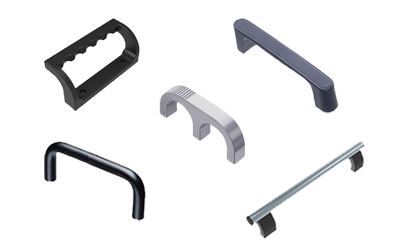
- Convenient grip and strength for heavy lifting or pulling
- Surface mount with concealed installation
- Available in a wide range of materials and sizes
- Standard and custom color options
-
Folding Handles
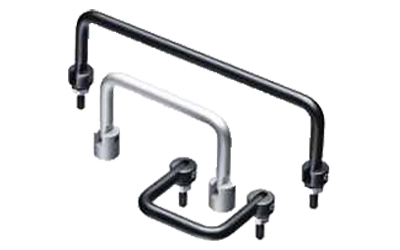
- Low profile style folds compact when not in use
- Concealed installation for limited spaces
- Anti-rattle friction feature keeps handles in place
- Standard and custom color options
-
Flush Pulls

- Durable and stylish design for heavy doors and panels
- Simple, single mount hole installation
- Lock core options available for enhanced security
- Lightweight, low profile plastic construction
-
Concealed Pulls
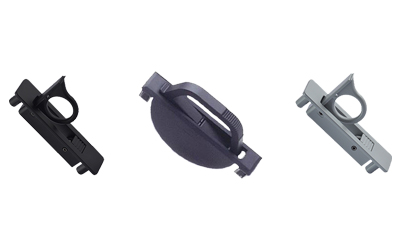
- Concealed, flush mount design eliminates catch points
- Stylish design complements industrial design
- Handle stores inside of housing when not in use
- Easy installation
-
Crate Handles
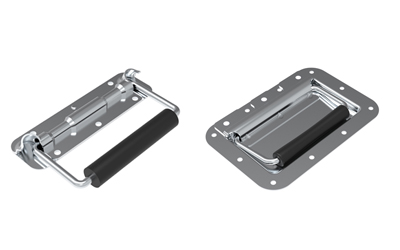
- Low profile style folds compact when not in use
- Convenient user access to enclosures in limited-space and heavy-duty environments
-
Sliding Window Latch
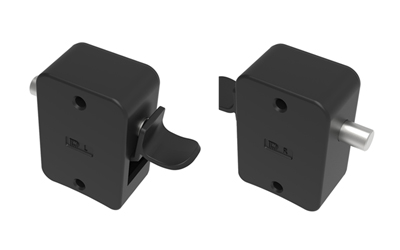
- Press button to release
- Simple surface mount
Frequently Asked Questions (FAQ's)
What are the different types of handles?
Handles serve the fundamental purpose of providing a grip for pulling, pushing, lifting, or manipulating objects. However, their design, material, and functionality vary significantly based on their intended application. Here's a comprehensive overview of the different types of handles:
- Pull Handles –These are your classic "grab and pull" types. Think long bars, recessed pulls that sit flush, or simple wire pulls. They're everywhere from kitchen drawers to big industrial panels.
- Knobs – Small, round, and often decorative. Perfect for cabinets and drawers, they come in every shape and material imaginable.
- Lever Handles – These are the long, easy-to-use handles you see on doors, especially in places where accessibility is important.
- Cabinet/Door/Drawer Handles – These are whole categories! They're handles specifically designed for those applications, with styles ranging from sleek modern pulls to ornate traditional knobs.
- Industrial Handles – Tough and rugged, built for heavy-duty use on machinery and equipment.
- T-Handles – Shaped like a "T," they give you a strong grip for turning and pulling, often used on toolboxes and access panels.
- Folding Handles – These are space-savers! They fold flat when you're not using them, perfect for tight spaces.
- Recessed Handles – They sit inside the surface they are attached to, making the surface flush. Basically, there's a handle for every job, and the right one depends on what you're pulling, pushing, or turning!
How to pick a door handle for my needs?
Choosing the right handle depends on a few key factors:
Application:
What will you be opening or closing? (Doors, drawers, cabinets, machinery)
This determines the type and size of handle needed.
Weight and Force:
How heavy is the door or drawer?
Will you need a strong grip for heavy loads or frequent use?
Ergonomics:
How comfortable is the handle to use?
Consider grip size and shape, especially for frequent use.
Material and Durability:
What environment will the handle be in? (Indoor, outdoor, industrial)
Choose materials that can withstand wear, corrosion, and temperature changes.
Style and Aesthetics:
What look are you going for? (Modern, traditional, industrial)
Choose a handle that complements the surrounding design.
Mounting and Installation:
How easy is the handle to install?
Consider surface mount, flush mount, or through-bolt options.
Budget:
Balance quality and features with cost.
By considering these factors, you'll find the perfect handle for your project.
Do door handles fit in all doors?
No one door handle suits all doors globally. Here's why:
Door Thickness: Doors are of different thicknesses, and handles are made to support certain ranges. A handle for a thin access panel won't work on a heavy, insulated HVAC door.
Backset: This refers to the measurement between the door edge and the center of the handle hole. Different door preparations have distinct backset measurements.
Door Material: Certain handles are more appropriate for some door materials (wood, metal, uPVC).
To fit correctly:
1. Measure your door thickness.
2. Measure the backset.
3. Observe the gap between any mounting holes already present.
4. Determine the type of lock or latch you need.
When purchasing a door handle, always examine the product measurements and specifications to guarantee compatibility with your door.